On technology adoption, transformation, and the human judgement that still decides what is worth doing.
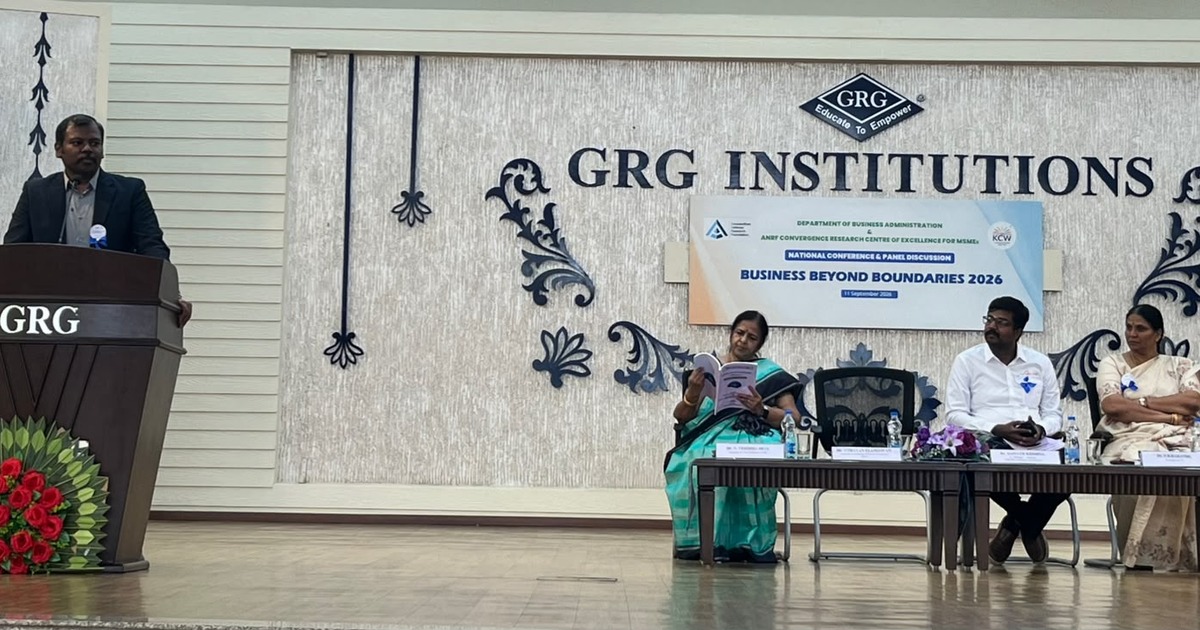
I was pleased to deliver the inaugural address at PSGR Krishnammal College for Women, Coimbatore, as part of Business Beyond Boundaries 2026, a national conference organised by the Department of Business Administration.
That was my first message on 11 September 2026.
Technology adoption is not transformation. Value creation is transformation.
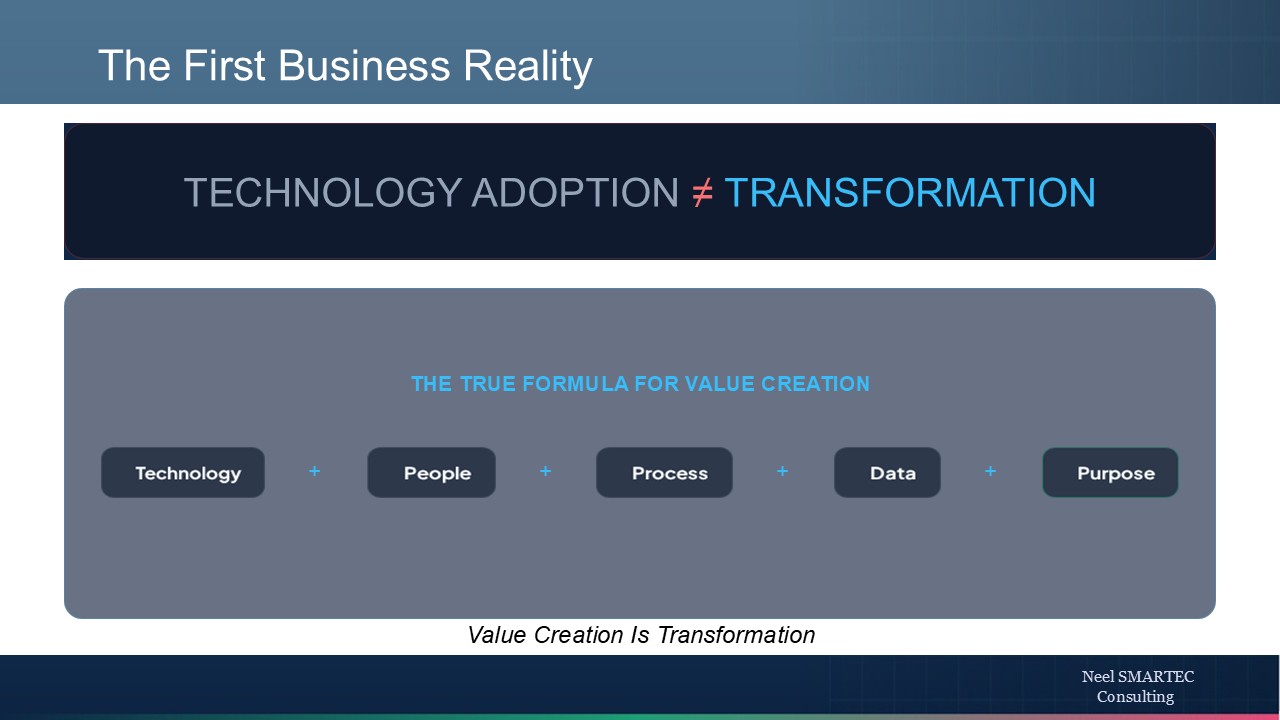
The day brought together different perspectives on a question that is becoming increasingly important: as technology removes boundaries between functions, industries, people and machines, how do we create meaningful value?
Reimagining business in the age of AI
In my inaugural address, “Reimagining Business in the Age of AI: What Happens When the Boundaries Disappear?”, I reflected on how AI is changing the way organisations work and make decisions.
Technology can predict, analyse, generate, recommend and automate. Humans still need to question, judge, create, decide and care.
The important question is therefore not only what AI can do, but what is worth doing.
Technology can help us optimise. Humans decide what is worth optimising.
For me, that is also an important dimension of Industry 5.0: using intelligent technology and human capability to create better outcomes for people, business and society.
From ideas to a published record
The conference was organised by the Department of Business Administration, PSGR Krishnammal College for Women, with Dr. Vidyakala, HOD, Department of Business Administration, and Dr. R. Dhivya, Assistant Professor, playing key roles in the coordination.
The conference proceedings were subsequently released along with Dr. Vidyakala, Dr. N. Yasodha Devi, Secretary and President – KCW, Dr. Sainath Krishna – Circor Aerospace and Defense and Dr. P. B. Harathi, Principal – KCW.
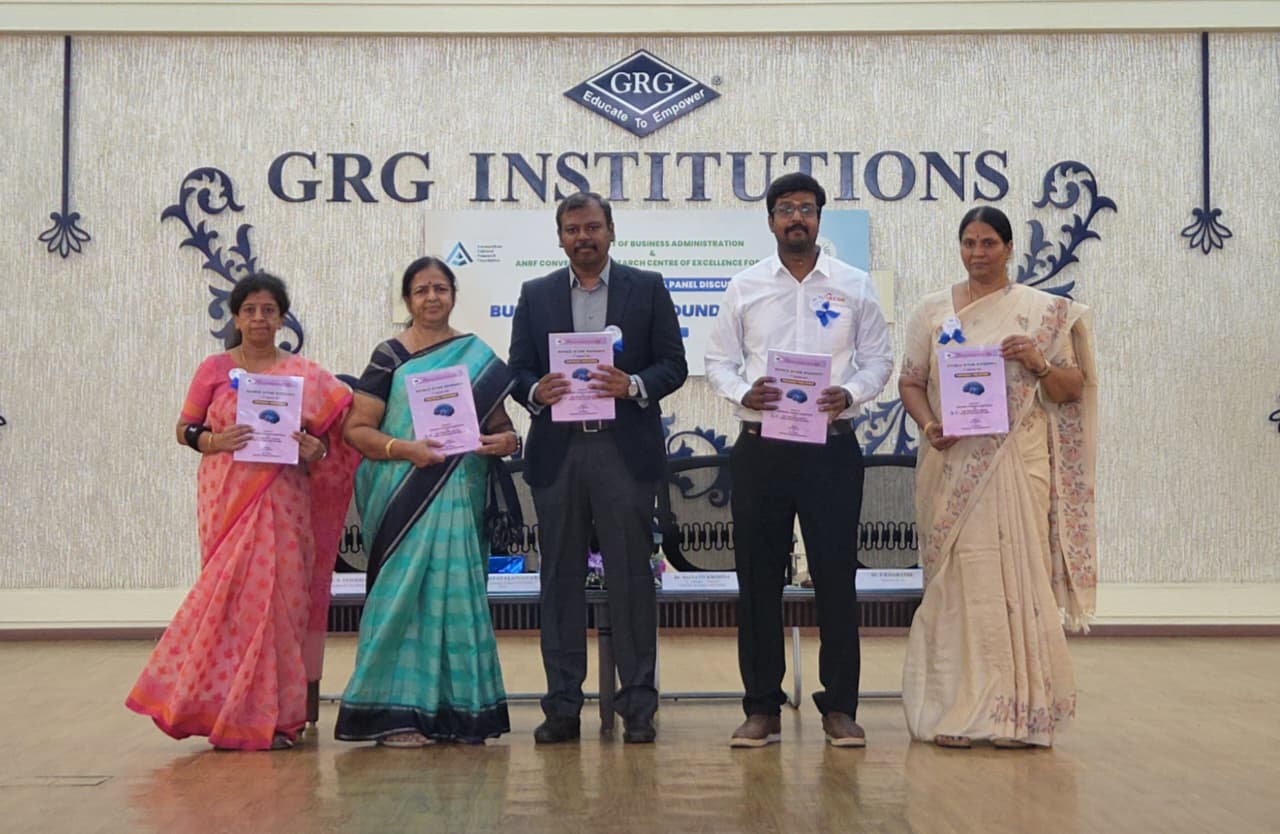
A proceedings volume gives the discussions and contributions of a conference a life beyond the event itself.
From shop floor to cloud
The panel discussion brought another set of perspectives. With Mr. Raghavan, CEO, Oriental Plants & Equipments Private Limited (OPEL), as the panel coordinator, the discussion brought together:
- Raja Ramasamy — manufacturing and shop-floor perspective
- Pradeep John R. — cloud and AI perspective
- Uthayan Elangovan — PLM and digital transformation perspective
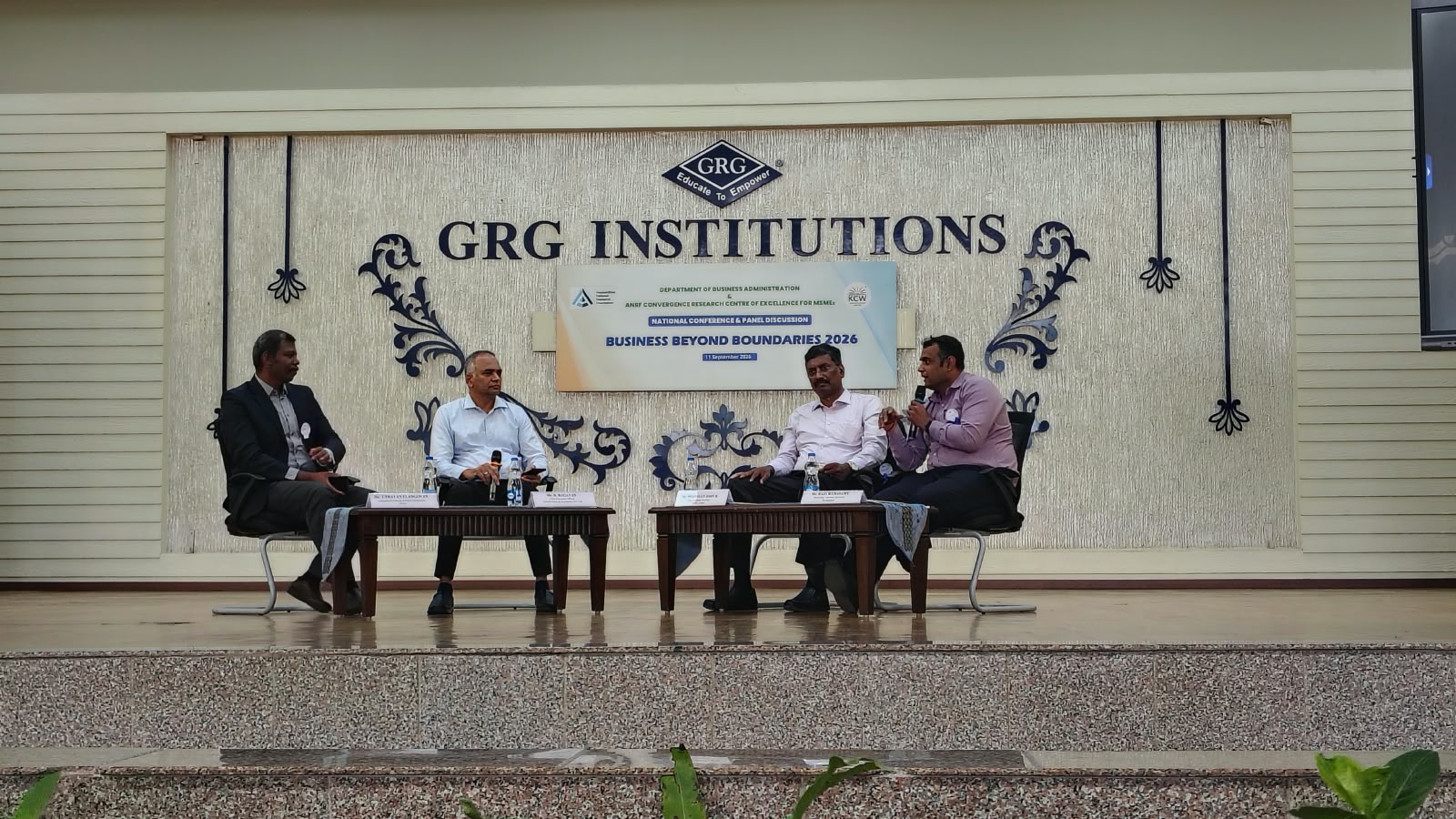
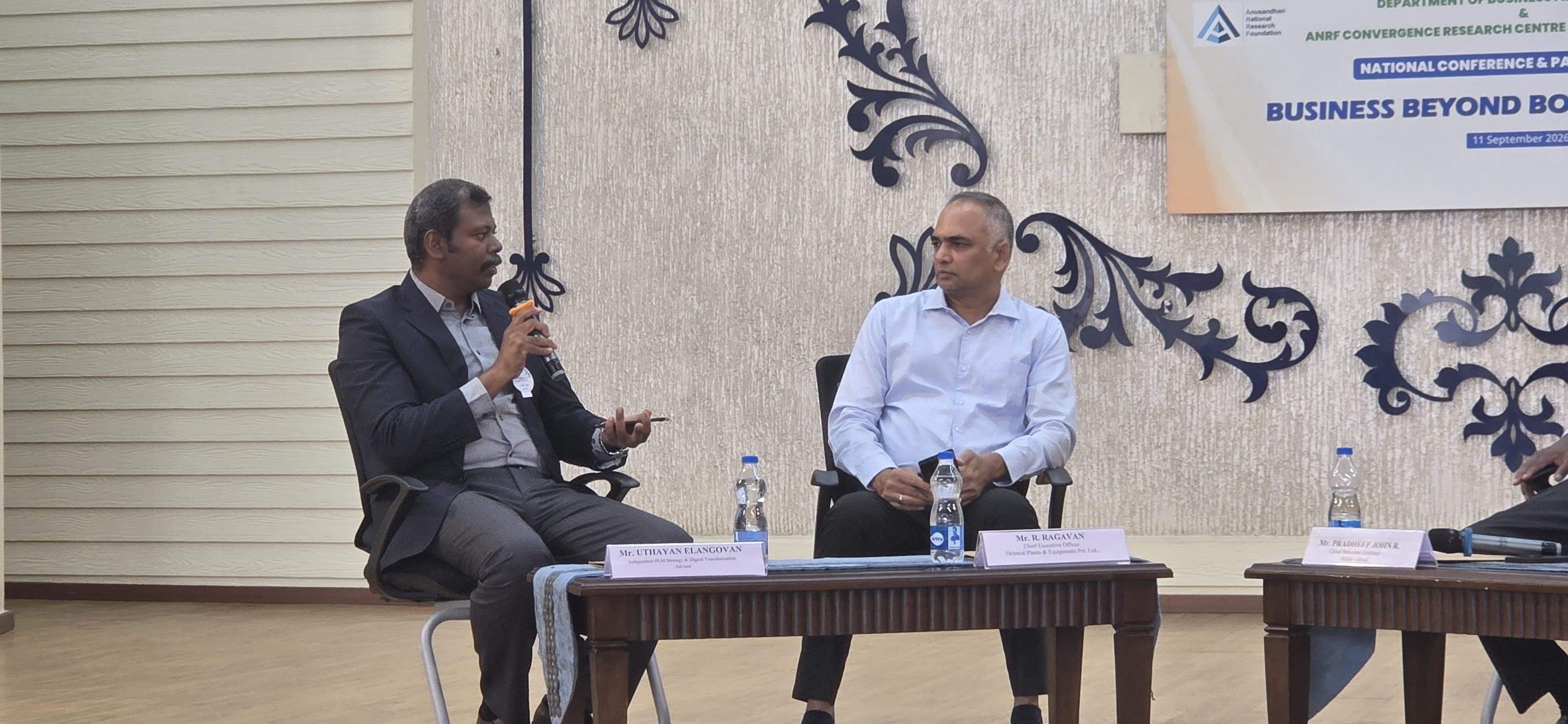
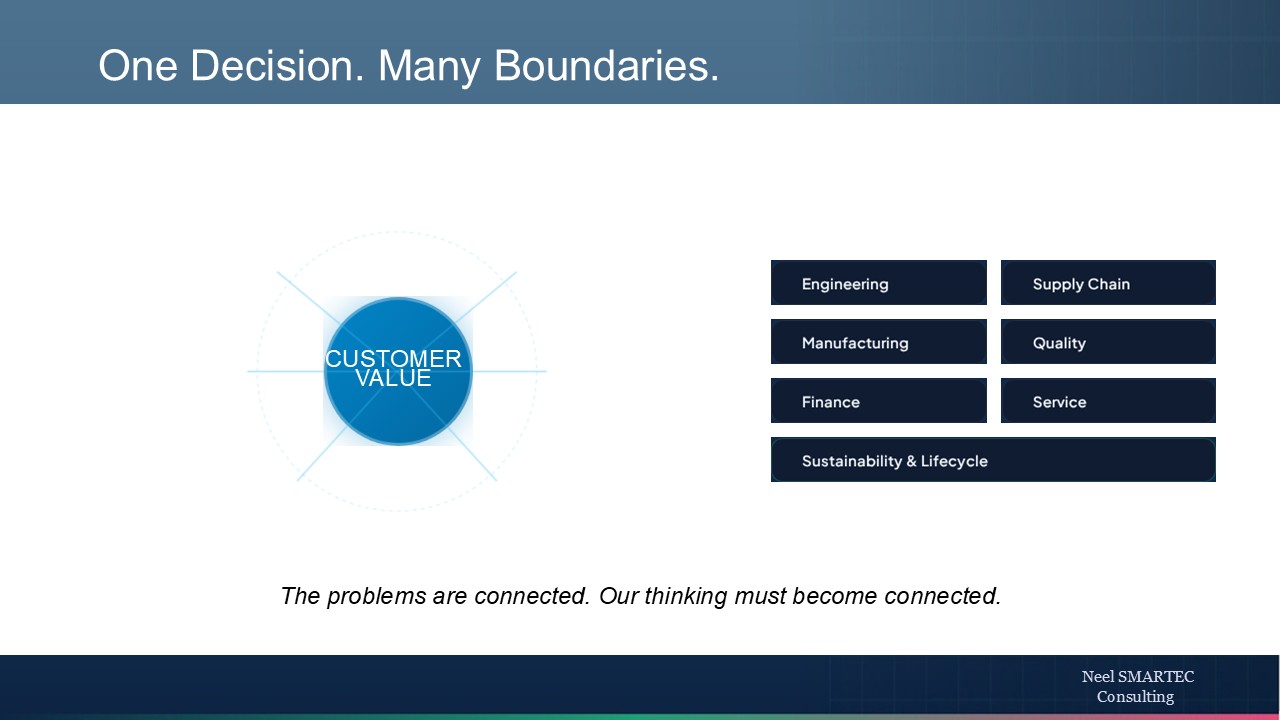
What stood out was the need to connect these perspectives. Digital transformation cannot be viewed only from the machine, only from the cloud, or only from strategy.
The problems are connected. Our thinking must become connected.
Listening to the next generation
Later, I had the opportunity to evaluate student paper presentations. Five topics particularly caught my attention:
- Can Aerospace & Defense Really Go Digital?
- The Personalization Paradox
- Gen AI in Business
- Green Supply Chain
- AI-driven Business Analytics Framework for MSMEs
Different subjects, but familiar questions for industry: how do we use technology effectively, create value, remain sustainable and make transformation practical? It was encouraging to see these questions being explored by students.
One thought I took away
Across the inaugural session, the proceedings, the panel and the student presentations, one idea kept returning:
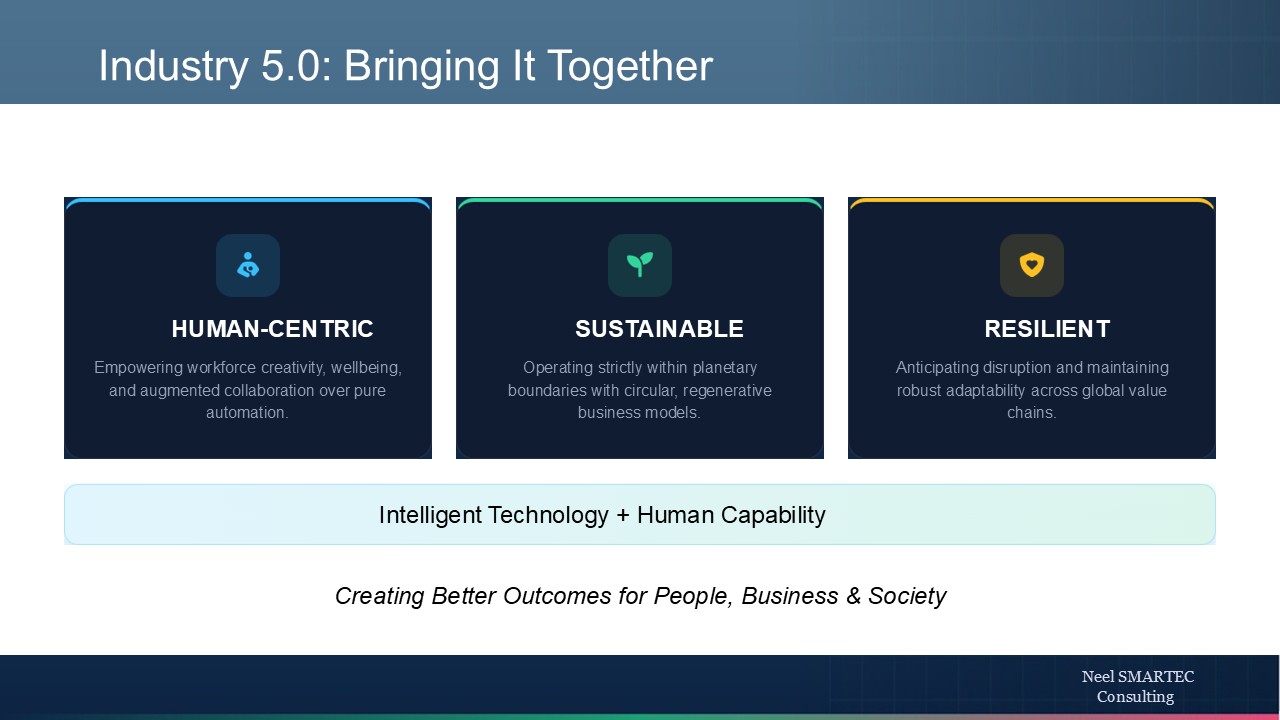
Technology is expanding what we can do. Human judgement still matters in deciding what we should do.
Industry 4.0 gave us a powerful vision of connecting machines, systems and data. Industry 5.0 takes the conversation further — towards better outcomes for people, business and society.
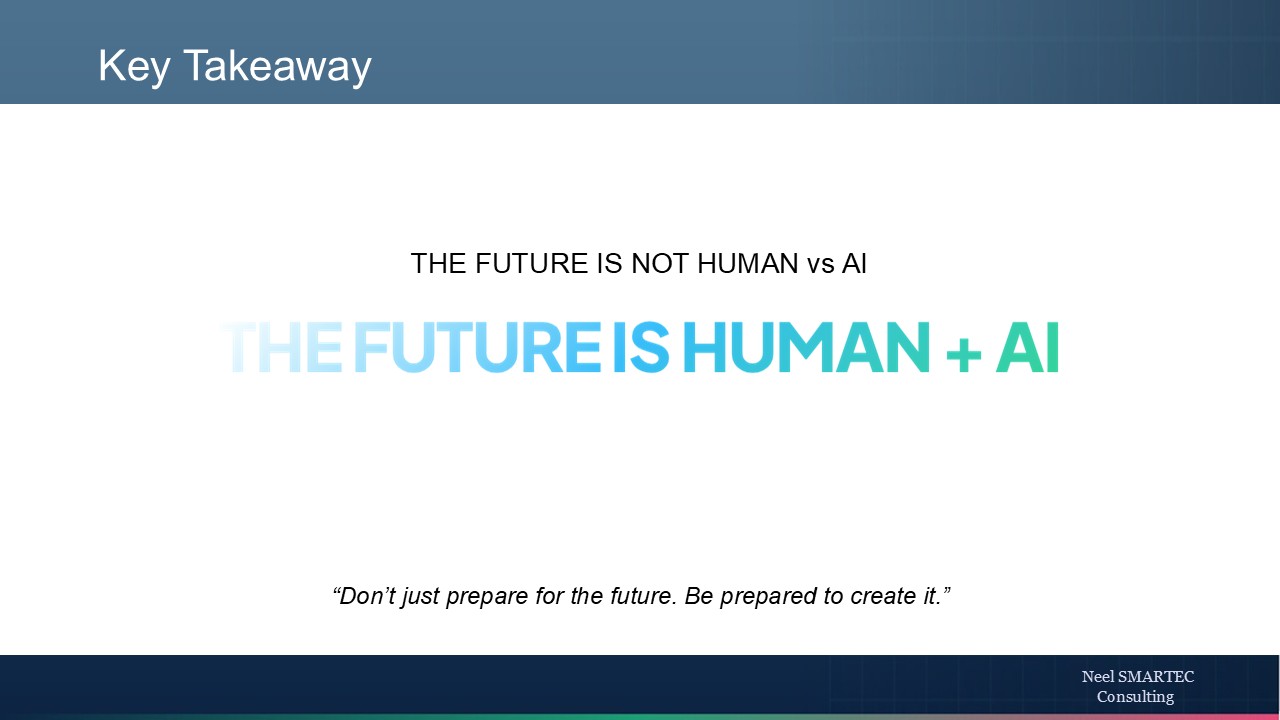
The future is not Human versus AI. The future is Human with AI.
Perhaps that is what it truly means to take Business Beyond Boundaries. And perhaps the most important boundary we need to cross is the boundary between preparing for the future and creating it.
Don’t just prepare for the future. Be prepared to create it.
Where does your organisation stand on this boundary?
Explore the Industrial Transformation Framework to see how engineering intent, execution systems and operational intelligence connect into one closed loop.
Explore the frameworkPlanning a PLM or Digital Transformation Initiative?
Discuss your roadmap priorities, engineering data challenges, or PLM readiness gaps with Neel SMARTEC.
Schedule a Strategy Discussion